Review: Rose Flower Vector Drawing for Real Embroidery Work
As a designer who has spent years turning digital assets into tangible, stitched treasures, I approach every new file with a mix of excitement and skepticism. There is nothing worse than downloading a "perfect" vector only to find it falls apart when the needle starts moving. Today, I am putting Rose Flower Vector Drawing through the wringer. This isn't just another pretty picture in the Crafts category; it is a potential cornerstone for your next handmade product line or client project. Let's see if this design holds up under the pressure of real-world stitching.
First Impressions: The Mood and Visual Personality
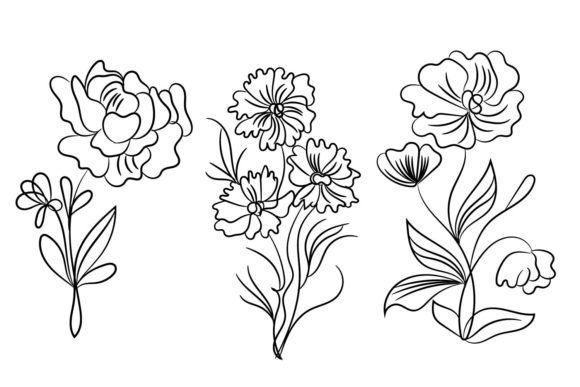
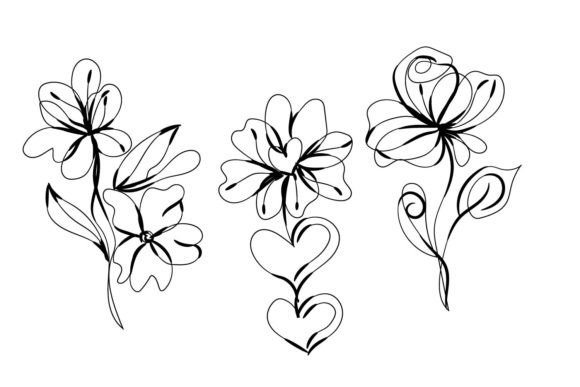
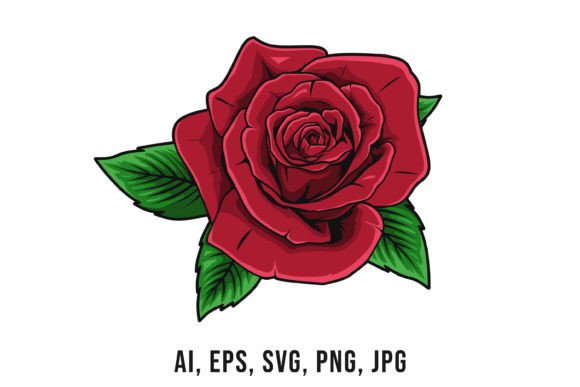
The moment you open the file, the character of Rose Flower Vector Drawing becomes clear. It carries a distinct romantic weight without feeling cliché. The lines are clean, capturing the essence of a rose in full bloom with an emphasis on the delicate curvature of the petals. Whether you envision this in deep crimson for Valentine's Day or soft white for a wedding theme, the underlying structure suggests elegance and timelessness.
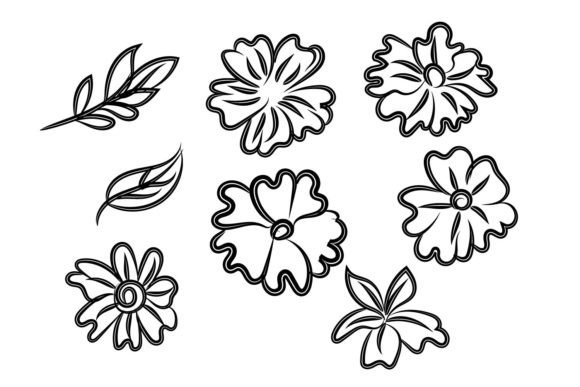
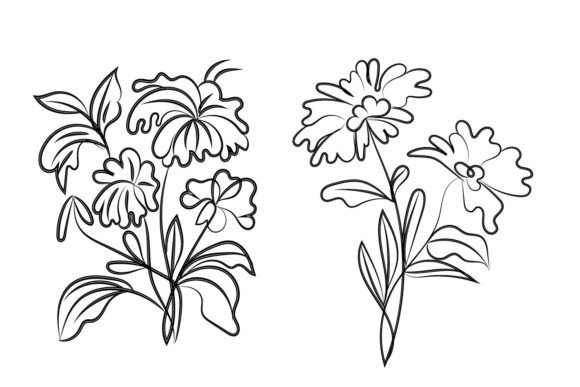
Visually, the design feels balanced. It doesn't scream for attention but rather invites the viewer to lean in. For a creative entrepreneur looking to build a brand around nature, romance, or beauty, this asset offers a versatile foundation. It strikes a fine line between detailed enough to look professional and simple enough to stitch reliably. When I first looked at the isolated layout, I immediately thought about how it would translate from a screen to a piece of fabric. The negative space around the flower allows it to breathe, which is crucial for embroidery where thread density can easily overwhelm a composition.
From Screen to Stitch: A Real-Life Scenario
To truly understand the utility of this design, let's imagine a specific scenario. You are preparing for the upcoming holiday season and need a unique gift item for your small boutique shop. You decide to create a set of custom embroidered kitchen towels featuring floral motifs. You select Rose Flower Vector Drawing as the centerpiece for the corner of the towel.
Here is where the practical judgment comes in. In my experience, a vector drawing like this needs to be converted into a machine embroidery design that accounts for thread tension and fabric movement. If you are planning to use satin stitch for the outlines of the petals, the curves in Rose Flower Vector Drawing will likely render beautifully, creating a smooth, glossy finish that mimics the natural sheen of a rose petal. However, if the vector includes very fine, intricate details in the center of the flower, those might get lost if the stitch density is too high.
Imagine the finished product: a crisp white tea towel with a vibrant red rose stitched in the corner. The visual appeal is immediate. Customers browsing your Etsy listing or walking past your craft fair booth will appreciate the texture and depth that embroidery adds compared to a printed image. The design elevates a simple household item into a personalized gift that feels special and thoughtful. It works equally well on a sweatshirt chest pocket or a denim tote bag, offering a touch of sophistication that appeals to buyers looking for quality handmade goods.
Navigating Fabric Challenges and Limitations
While Rose Flower Vector Drawing is robust, no design is perfect for every situation. As an experienced reviewer, I must point out where caution is required. The primary concern lies in the scale of the design relative to the hoop size. If you attempt to stitch this on a very small hoop, such as one used for a baby hat or a tiny patch, the finer details of the petals may merge together, resulting in a muddy appearance rather than a crisp flower.
Fabric choice is equally critical. This design relies on clarity. On stretchy fabrics like jersey t-shirts, the tension required to hold the shape of the rose could cause puckering unless you use the proper stabilizer techniques. Similarly, textured fabrics like heavy canvas or bouclé might hide the subtleties of the vector lines. Dark fabrics present another challenge; while the contrast of a light-colored rose on dark fabric can be striking, you must ensure your digitizing process accounts for adequate coverage so the underlying fabric color doesn't show through the stitches.
Curved surfaces, such as baseball caps, require careful consideration. While the rounded shape of a rose fits the curve of a cap well, the transition from the flat vector to the 3D surface can distort the symmetry if not properly adjusted. If you plan to use this for an embroidered patch, pay close attention to the edge finishing. The isolated nature of the design is great for cutting out patches, but you must ensure the border is strong enough to withstand frequent washing without fraying.
Impact on Brand Value and Customer Trust
In the world of commercial embroidery and digital product sales, the quality of your design directly impacts customer trust. A sloppy stitch job or a design that looks pixelated after conversion can ruin the perceived value of your handmade product. Rose Flower Vector Drawing, when handled correctly, signals professionalism. It shows that you care about the details, which translates to higher satisfaction rates and repeat business.
For Etsy sellers and small shop owners, having a library of high-quality design assets like this is essential. It allows you to offer personalized gifts that feel bespoke. When a customer receives a tote bag with a beautifully rendered rose, they are more likely to leave a positive review and recommend your shop to others. The design supports a narrative of love, nature, and beauty, making it highly giftable for occasions ranging from anniversaries to housewarmings.
Practical Notes for the Embroidery Designer
Before you load this file into your machine or sell it as part of your digital inventory, there are several steps you must take to ensure success. First and foremost, always test the design on scrap fabric. This is non-negotiable. Run a sample on the same type of material you intend to use for the final product to check for puckering, thread breaks, or detail loss.
Review the stitch density carefully. If the design is too dense, the fabric may become stiff and unwearable. If it is too sparse, the flower may lack body. Check your thread colors against your fabric background; a white rose on a white shirt requires a different approach than a red rose on black denim. Ensure you have the correct stabilizer for your project type, whether it is a cut-away for stability or a tear-away for lighter items.
If you are selling this as a digital embroidery file, verify the licensing terms explicitly. Do not assume you have the right to resell the finished physical products or the digital files themselves without checking the original agreement. Also, inspect the small details in the vector before converting them to stitches. Sometimes, lines that look fine on a screen are too thin to stitch effectively. Compare your work in both color and black-and-white mockups to ensure the design retains its integrity regardless of the thread palette.
Finally, consider the versatility of Rose Flower Vector Drawing. It fits seamlessly into categories ranging from holiday embroidery to commercial embroidery projects. Whether you are creating a custom apparel line or designing a decorative pillow cover, this vector provides a solid starting point. By treating it with the respect and technical scrutiny it deserves, you can transform a simple graphic into a standout feature of your next handmade masterpiece.