Spring Floral Flower Concept: A Designer's Real-World Review
When I first opened the folder for Spring Floral Flower Concept, I wasn't just looking at a pretty picture. As someone who has spent years turning digital files into tangible, stitched products for clients and craft fairs, my eyes immediately went to the practical application. The mood this design creates is undeniably fresh and optimistic, but does it hold up when the needle starts moving? In this review, I am stepping away from the marketing fluff to look at how this embroidery file actually performs in a real studio environment.
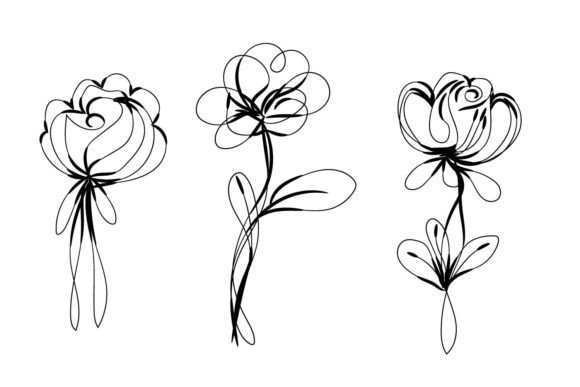
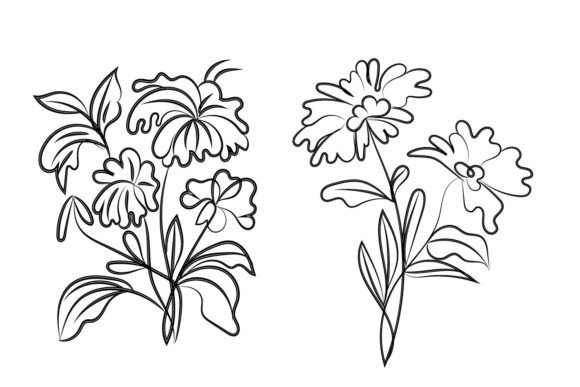
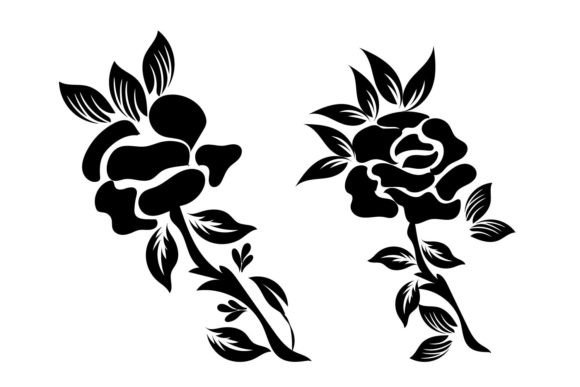
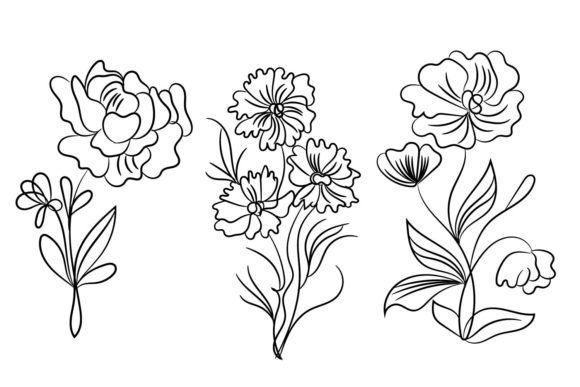
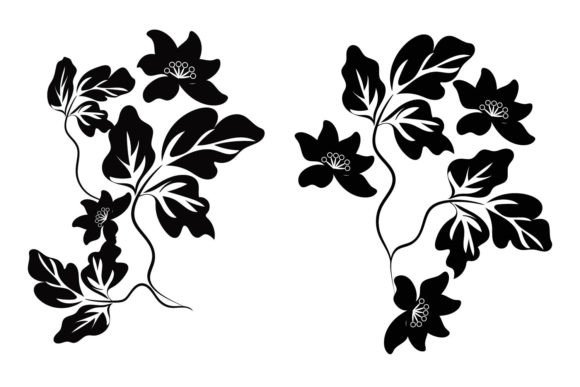
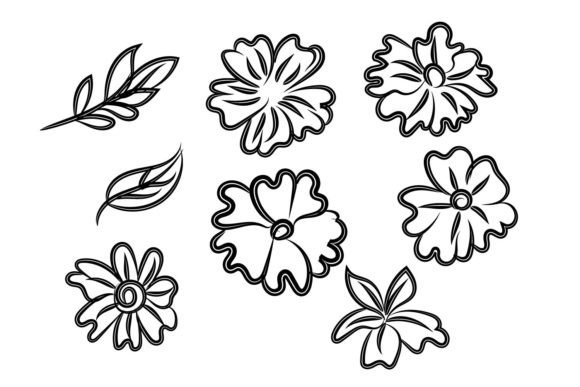
The visual personality of Spring Floral Flower Concept is defined by its organic flow. It feels less like a rigid geometric pattern and more like a garden that has been captured mid-bloom. For an embroidery project intended to bring joy, this design hits the mark. However, the devil is always in the details when we are talking about converting a vector image into thread. Before I committed this to a final product, I had to ask myself: where would this design naturally belong?
From Screen to Stitch: The First Impression
The layout suggests a versatility that many designers overlook until it is too late. The floral arrangement is balanced enough to stand alone on a chest pocket but complex enough to serve as a centerpiece on a larger garment or home decor item. When I imagine this as a tote bag design, the curves of the flowers seem to drape perfectly over the canvas, creating a soft, inviting aesthetic that customers love to see on their bags.
However, the detail level requires careful consideration. If you are aiming for a high-end boutique feel, the intricate petals will shine, provided you choose the right thread colors. But if you are rushing through a holiday rush, those delicate lines might get lost in the noise. This isn't a design for the impatient; it rewards patience and precision. It feels most at home on natural fabrics like linen or cotton, where the texture of the fabric complements the organic nature of the flowers rather than competing with them.
Real-Life Scenarios: Where Does It Fit Best?
Let me take you through a specific scenario. Imagine you are an Etsy seller preparing a collection of personalized gifts for spring weddings. You have a stack of white aprons and kitchen towels ready for decoration. Spring Floral Flower Concept is an excellent candidate here. The design evokes a sense of domestic warmth and celebration. On a tea towel, the floral motif acts as a focal point without overwhelming the utility of the item. It transforms a simple kitchen tool into a piece of art that a bride might keep forever.
I also see potential in the nursery market. Soft, pastel variations of this design could work beautifully on baby clothes or a crib mobile. The gentle curves are soothing to the eye, which translates well into a baby embroidery context. Parents often look for designs that are not too bold or aggressive, and this floral concept strikes that perfect balance. It adds a touch of elegance to a onesie or a blanket without looking out of place in a modern nursery.
For the small business owner looking to expand their custom apparel line, this design is a strong contender for sweatshirt embroidery. Placed on the back of a hoodie or across the front of a pullover, it can elevate a basic garment into something that feels curated and special. The key here is the scale. If you make it too large, it might look cluttered on a heavy sweatshirt fabric. If you make it too small, the beauty of the flowers gets lost. Finding that sweet spot is part of the art of machine embroidery design.
Where to Proceed with Caution
While I am enthusiastic about the possibilities, there are specific situations where Spring Floral Flower Concept might not be the best choice. One of the biggest pitfalls in our industry is ignoring the limitations of the fabric. If you attempt to stitch this on a stretchy knit fabric without proper stabilization, the delicate lines of the flowers will warp and pucker. The design relies on stability to maintain its integrity.
Similarly, if you are working with a very small hoop size, such as those used for caps or tiny patches, you need to be wary. The finer details in the petals might become indistinguishable once they are reduced in size. Dense stitch areas can also be a problem if the design is pushed beyond its intended limits. If the fill stitches are too close together, the fabric underneath can become stiff and uncomfortable, especially on items that will be worn against the skin.
Dark fabrics present another challenge. While the design itself doesn't specify thread counts, the contrast is crucial. On a black shirt, unless you use bright, vibrant threads, the lighter parts of the flowers might disappear. You must test your thread colors thoroughly before running a full production batch. Additionally, if you are planning to wash these items frequently, ensure that the design is anchored well enough to withstand the agitation of the machine. Delicate designs on items like aprons or tote bags that see daily use need extra reinforcement.
Design Notes for the Professional Maker
If you are a craft business owner or a hobbyist looking to add value to your handmade product, here is my professional advice on handling this file. First and foremost, always test the design on scrap fabric first. This is non-negotiable. You need to check the stitch density and see how the satin stitch edges behave on your specific material. Sometimes a design looks perfect on screen but behaves poorly under the tension of the needle.
Review the file formats carefully. You will receive a compressed zip containing AI, EPS, PNG, SVG, and PDF files. Make sure your machine and software can handle these formats. If you are using a specialized digitizing program, verify that the running stitch and fill stitch parameters are optimized for your machine. Do not assume the default settings will work perfectly for every fabric type.
Consider the visual appeal of your finished product. A well-executed embroidered patch or apron embroidery builds trust with your customers. They want to know that what they are buying is professional quality. If the design assets are clean and the stitching is precise, your brand reputation grows. Conversely, sloppy execution can undermine even the most beautiful concept.
Finally, confirm your licensing terms before selling any commercial embroidery projects. Even though this is a digital product, the rules regarding resale and distribution can vary. Ensure you have the rights to sell finished items made from this design. Also, think about how this fits into your broader branding. Does Spring Floral Flower Concept align with the story you are telling your customers? If your shop focuses on rustic, vintage aesthetics, this design might fit perfectly. If your brand is ultra-modern and minimalist, you might need to adjust the presentation.
In conclusion, Spring Floral Flower Concept is a versatile and visually appealing addition to any designer's library. It offers a fresh take on traditional floral motifs and works well for a wide range of applications, from personal gifts to commercial merchandise. However, success lies in the preparation. Take the time to test, stabilize, and plan your embroidery project carefully. When done right, the result is a stunning piece of art that brings the spirit of spring to life in thread.