Abstract Floral Flower Design: A Designer's Real-World Review
I have spent years reviewing machine embroidery design files, testing everything from simple monograms to complex pictorial scenes. When I first opened the folder for Abstract Floral Flower Design, my initial reaction was one of intrigue rather than immediate excitement. It does not scream "traditional floral," and that is exactly why it stands out in a market saturated with realistic roses and daisies. This piece feels like a modern graphic asset waiting to be translated into thread, offering a unique opportunity for creative entrepreneurs and hobbyists alike.
The First Impression: Mood and Visual Personality
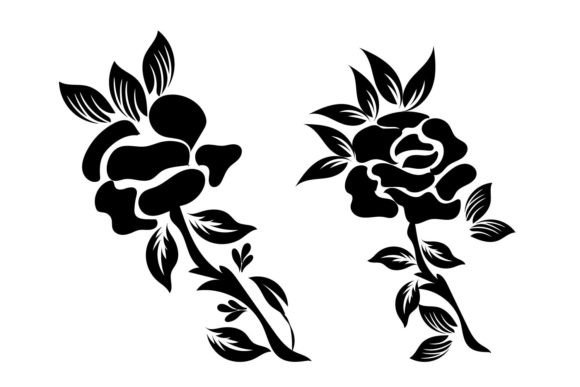
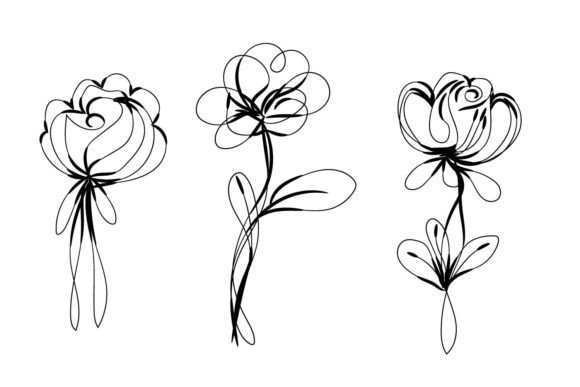
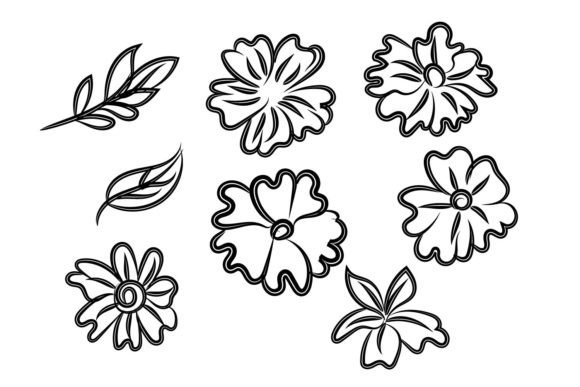
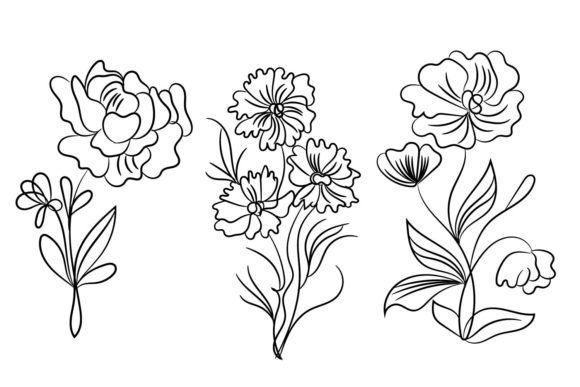
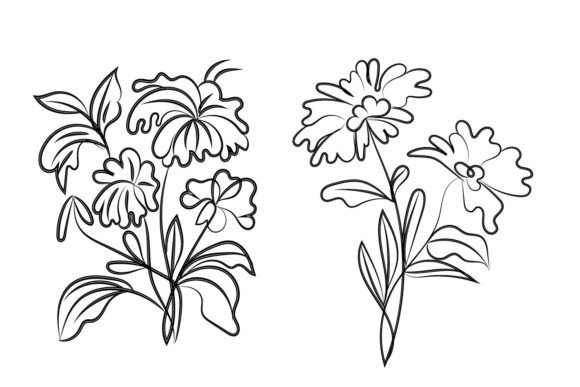
The moment you view the digital preview, the mood is distinctly contemporary. Unlike standard botanical illustrations that aim for photorealism, this design embraces an abstract aesthetic. The shapes are fluid, suggesting movement rather than static perfection. For a designer looking to create something that feels handcrafted yet sophisticated, this is a strong contender. The layout avoids clutter, leaving just enough negative space so that the stitches won't fight each other on the fabric. It feels less like a decoration and more like a statement piece.
When I think about where this design naturally belongs, I immediately picture high-end boutique items. It fits perfectly on a canvas tote bag or a linen apron where the texture of the fabric can complement the soft edges of the floral motifs. The visual personality is playful but professional, making it suitable for both personal gifts and commercial merchandise. It bridges the gap between a digital embroidery file meant for screen printing and a tangible embroidery project meant for the hoop.
Real-Life Application: From Screen to Stitch
To truly understand the value of Abstract Floral Flower Design, I decided to simulate a real-world scenario. Imagine you are preparing a custom order for a local yoga studio or a boutique coffee shop. You need a logo or a decorative element for their new line of sweatshirts and tote bags. This design offers the versatility needed for such a request. The abstract nature allows it to scale well; whether you are stitching a small patch for a hat or a large panel on a sweatshirt, the composition holds up without losing its identity.
I also considered its potential for personalized gifts. A baby blanket or a nursery wall hanging benefits from the softer, non-representational lines of this floral motif. It creates a calming atmosphere that parents often seek for nurseries. Furthermore, for Etsy sellers and craft business owners, this design serves as a fantastic base for creating unique products. You could combine it with simple text to create a set of matching kitchen towels or pillow covers. The design assets provided allow for easy manipulation, meaning you can adjust the size or orientation to fit specific product dimensions before even loading them into your machine.
Technical Performance and Stitch Clarity
Every good embroidery file must perform under the needle, and this is where practical judgment comes into play. Abstract designs often rely heavily on fill stitch to create solid areas of color, which can sometimes lead to puckering if the density is too high. While I cannot confirm the exact stitch count without running a physical test, the visual weight of the design suggests it requires careful attention to stitch density. If the density is optimized, the result will be a smooth, luxurious surface that catches the light beautifully.
However, there are nuances to consider regarding satin stitch and running stitch usage. The fine details in the abstract petals may require smaller needles and finer threads to maintain clarity. On a tote bag design, the heavy cotton canvas provides a stable foundation, allowing the design to pop. Conversely, on a stretchy fabric like a jersey t-shirt, the same design might require a different approach to stabilizers to prevent distortion. The key is ensuring that the thread colors chosen provide enough contrast against the fabric background to make the abstract shapes readable.
Where to Use (and Where to Be Careful)
While Abstract Floral Flower Design is versatile, it is not a one-size-fits-all solution. There are specific scenarios where caution is required. For instance, using this design on a curved surface like a baseball cap can be tricky. The abstract flow might look distorted if the curvature of the hat conflicts with the natural direction of the floral elements. Similarly, on very thin or delicate fabrics, the density of the design might cause the material to tear or pucker over time.
I would advise against using this design for items that require frequent washing, such as work uniforms or children's clothing that sees heavy wear, unless you are certain about the durability of the stitch structure. Small hoop sizes present another challenge; if the design contains intricate details, shrinking it down too much for a small accessory could result in a muddy appearance where individual stitches blend together. Additionally, on dark fabrics, the visibility of lighter thread colors might be compromised, requiring a backing or a specific thread choice to ensure the design remains legible.
Impact on Product Value and Brand Consistency
In the world of handmade products and commercial embroidery, the quality of the design directly influences customer trust. A well-executed Abstract Floral Flower Design elevates the perceived value of a finished product. When a customer receives a personalized gift or buys a boutique item, they are paying for the artistry involved. If the embroidery looks clean, precise, and intentional, it reinforces the brand's reputation for quality.
This design is particularly effective for branding because it is distinctive. In a sea of generic floral patterns, an abstract interpretation helps a small shop stand out. It signals to the buyer that the maker has a keen eye for modern aesthetics. Whether you are creating a printable mockup for an online listing or producing a physical handmade product, the design adds a layer of professionalism that generic clipart simply cannot match. It transforms a basic item into a curated piece of decor or apparel.
Practical Notes for the Designer
Before you commit to a full production run, there are essential steps every experienced designer takes. First, always test the design on scrap fabric that matches your final project material. This allows you to see how the fabric texture interacts with the stitches and whether the hoop size accommodates the design without cutting off any edges. Check the stability of the fabric by inspecting the back of the sample; excessive bulk can ruin the drape of a garment.
Review the file formats carefully. You will receive a compressed zipped folder containing AI, EPS, PNG, SVG, and PDF files. Ensure your machine software can read these formats and that you have the necessary vector editing capabilities if you plan to modify the design. Test the design in black and white mockups to verify that the contrast works before committing to expensive thread colors. Confirm the licensing terms explicitly, especially if you intend to sell finished items or use the design in digital product previews. Finally, double-check the stabilizer requirements; using the wrong type can lead to poor results regardless of how good the design file is.
Abstract Floral Flower Design is more than just a graphics download; it is a tool for creative expression. By understanding its strengths and limitations, you can integrate it into your workflow to produce stunning, market-ready items. Whether you are an Etsy seller looking to expand your catalog or a crafter making a special gift, this design offers a fresh, modern take on traditional florals that is ready for the hoop.