Double Dyed Dutch Tulip: A Designer's Real-World Review
When I first opened the Double Dyed Dutch Tulip file, my immediate reaction wasn't about stitch counts or technical specs. It was about the mood. There is a specific energy that comes from a well-executed floral composition, and this design captures the essence of a garden in full bloom with a modern twist. As someone who has spent years reviewing embroidery files for both personal hobbies and commercial small business ventures, I know that a pretty picture on a screen does not always translate to a beautiful stitched product. The transition from digital art to physical thread requires careful judgment.
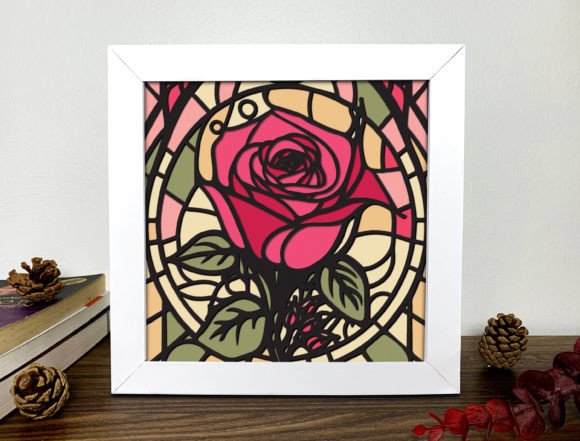
This 3D SVG template by Maison Gregoria feels distinct because it promises depth. In the world of machine embroidery, "3D" often implies texture created through layering or specific fill techniques. For a craft project looking to infuse a splash of color, the Double Dyed Dutch Tulip offers a visual personality that stands out against plain backgrounds. But does it hold up when the needle starts moving? Let's walk through how this design performs when moved from the computer to the hoop.
From Screen to Stitch: The First Impression
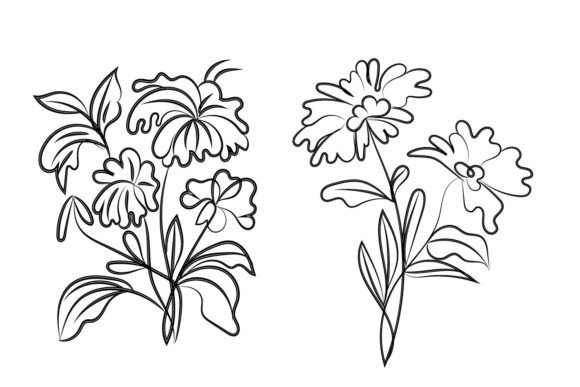
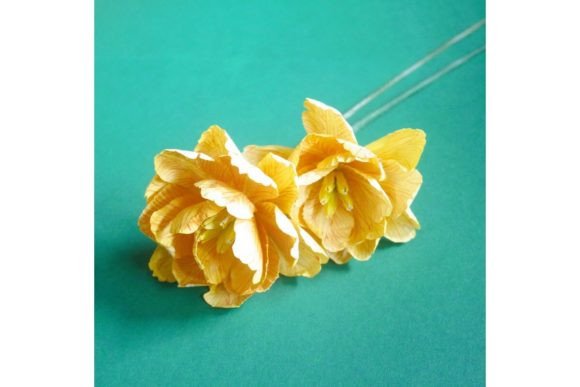
The layout of the Double Dyed Dutch Tulip strikes a balance between detail and wearability. Floral compositions can sometimes get cluttered if they are too dense, leading to a muddy look once stitched. This design avoids that trap. The petals appear to have enough separation to allow for thread colors to pop without bleeding into one another, which is crucial for maintaining clarity. The "double dyed" aspect suggests a gradient effect, likely achieved through careful thread selection or satin stitch variations. This adds a level of sophistication that elevates a standard flower motif into something that looks like a boutique-quality asset.
For designers and Etsy sellers, the first question is always: "Does this look expensive?" The answer here is yes. The shape creates a natural focal point that works beautifully as a standalone statement piece. Whether you are creating a custom embroidered patch or adding a decorative accent to a larger garment, the design commands attention without overwhelming the canvas. It feels intentional, not just like a clip-art flower dropped onto a background.
Real-World Application: The Tote Bag Scenario
To truly evaluate the Double Dyed Dutch Tulip, I had to imagine it in a real-life scenario. Let's say I am preparing a custom embroidered tote bag for a local artisan market. These bags are high-volume items for crafters, but they are also unforgiving. The fabric is often cotton canvas, which can be thick, and the stitching needs to sit flat so the bag remains functional.
Placing the Double Dyed Dutch Tulip on a natural linen tote would create an instant connection with customers. The vibrant allure of the tulips contrasts perfectly with earthy tones, making the handmade product feel fresh and contemporary. However, placement matters. If I were to put this on a baby sweatshirt, the scale would need adjustment. On a cap, the curvature might distort the lower petals if the design isn't digitized correctly. In this specific case, a tote bag or a kitchen towel seems like the ideal home for this design. The flat surface allows the 3D SVG elements to shine, and the frequent washing these items undergo won't compromise the structural integrity of the stitches if proper stabilizer is used.
Imagine a customer receiving a personalized gift featuring this design. The recognition factor is high; everyone knows what a tulip represents, yet the double-dyed style makes it unique. This kind of familiarity mixed with novelty drives engagement. When a buyer sees a finished product that looks professional, their trust in the brand increases immediately. They assume the rest of the shop's offerings share that same level of quality.
Navigating Technical Challenges
While the design is promising, no embroidery file is perfect for every situation. There are specific areas where the Double Dyed Dutch Tulip requires caution. One of the primary concerns is the stitch density. If the original digitization packs too many stitches into a small area, the fabric may pucker, especially on thin or stretchy materials. For apparel decorators working with lightweight tees or hoodies, testing on scrap fabric is non-negotiable. You need to ensure the thread tension holds up without distorting the knit.
Another critical factor is the fabric texture. While this design looks stunning on smooth cottons or linens, applying it to a highly textured fabric like a chunky wool blanket could hide the finer details. The intricate corners of the petals might get lost in the weave. Similarly, dark fabrics present a challenge. Unless the design includes a substantial underlay or cover stitch, the colors may not appear as vibrant as intended. A light-colored tulip on a black background might require a white backing or a different thread strategy to maintain the "splash of color" promise.
Hoop size is also a variable to consider. If you are working with a small hoop, such as those used for hats or baby bonnets, the resolution of the 3D effects might suffer. Small details can become indistinguishable blobs when scaled down. Therefore, this design is best reserved for medium to large applications where there is ample room for the threads to breathe and the eye to appreciate the gradient work.
Design Notes for the Professional Maker
If you are planning to use the Double Dyed Dutch Tulip for commercial embroidery projects, there are several practical steps to take before running a production batch. First, always test the design on a scrap piece of the actual fabric you intend to use. This helps you gauge how the satin stitch behaves on that specific material and whether the fill stitch provides enough coverage.
Check your thread colors carefully. The success of a double-dyed effect relies heavily on contrast. Using similar shades for adjacent petals can flatten the image, while using complementary colors can enhance the 3D appearance. Review the stitch density in your software; if the density is too high, reduce it slightly to prevent bulk. Confirm the hoop size requirements with your machine manual, and ensure you are using the correct type of stabilizer—cut-away for stretchy fabrics and tear-away for stable wovens.
Don't forget to inspect the small details. Zoom in on the digital file and look at the edges. Are there any stray jumps or unnecessary trims that could cause issues during stitching? Testing the design in black and white mockups can also help you see the value distribution; if the design looks flat in grayscale, it might lack the necessary contrast in color as well.
Finally, verify the licensing terms. Many digital embroidery files come with restrictions on how they can be sold. Ensure that you have the right to sell finished products made with the Double Dyed Dutch Tulip. Some licenses allow for unlimited sales, while others limit the number of units or restrict commercial use entirely. Protecting your business means understanding these terms inside and out.
Final Verdict on Visual Appeal and Value
The Double Dyed Dutch Tulip is more than just a pretty flower; it is a versatile tool for creative entrepreneurs. It brings a sense of freshness and professionalism to any project, from holiday gifts to boutique branding. When executed correctly, it enhances the perceived value of a handmade product, allowing sellers to command higher prices for their work. The design assets provided by Maison Gregoria offer a solid foundation for building a cohesive collection.
Whether you are an experienced embroiderer looking to expand your portfolio or a hobbyist wanting to make a special personalized gift, this design delivers. It respects the craft while offering modern aesthetic appeal. Just remember that the magic happens in the execution. Take the time to prepare your materials, choose your threads wisely, and test your setup. When you do, the Double Dyed Dutch Tulip will transform from a simple SVG template into a centerpiece that delights customers and strengthens your brand identity.