Bible Books Clipart Design: A Designer's Real-World Review
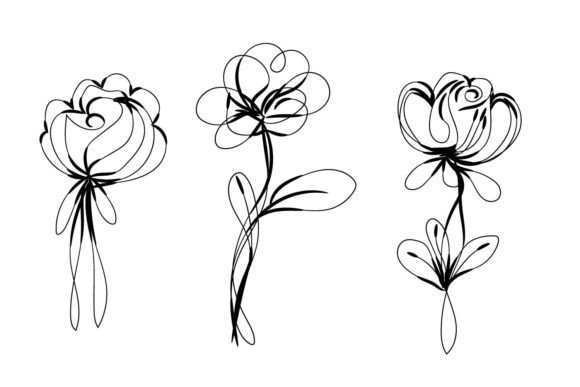
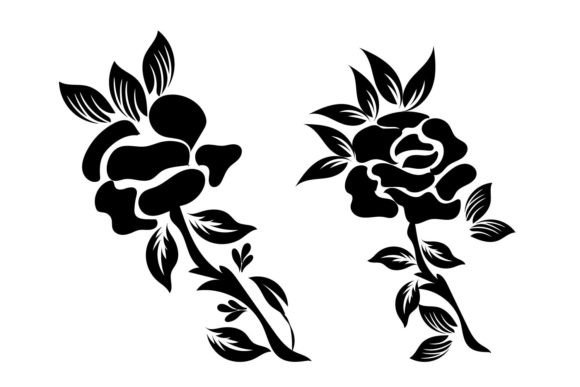
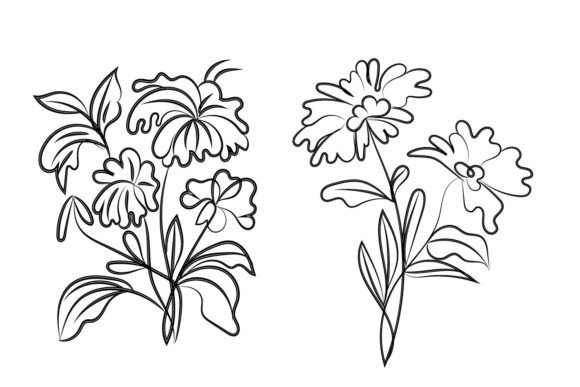
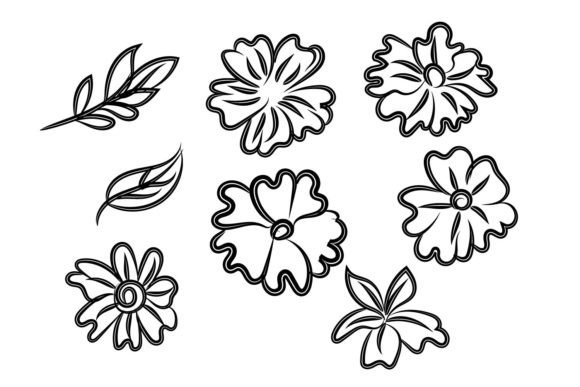
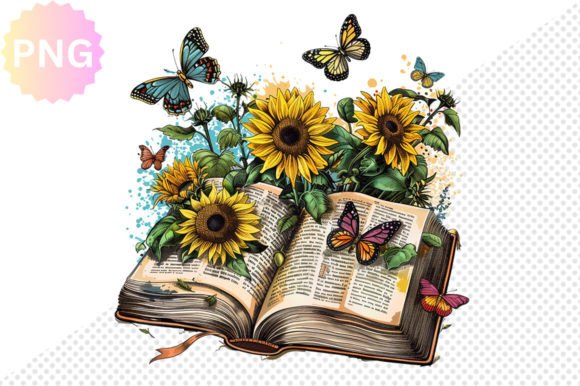
When I first opened the Bible Books Clipart Design to test it on my embroidery machine, I wasn't just looking at a file; I was visualizing a finished product sitting on a boutique shelf. As someone who spends their days evaluating graphics for real-world application, my initial reaction was one of quiet appreciation for its potential. This isn't just another generic religious graphic; it feels like a carefully curated piece meant to bring warmth and faith into everyday items. The concept of blending floral elements with scripture creates an immediate emotional connection that is hard to ignore.
The mood this design sets is serene yet inviting. It avoids being overly rigid or traditional, opting instead for a softer, more organic aesthetic that fits perfectly in modern home decor and apparel. When you look at the layout, there is a natural flow to the composition. The balance between the text and the decorative flourishes suggests that the designer understood the importance of negative space. In the world of machine embroidery design, negative space is everything because it allows the stitches to breathe. If a design is too crowded, the fabric can pucker, and the details get lost. This embroidery file seems to have struck a sweet spot where the imagery supports the message without overwhelming it.
From Digital File to Finished Product: A Practical Scenario
Let's talk about how this actually looks when it leaves the screen and hits the hoop. Imagine I am preparing a custom order for a client who runs a small Christian bookstore. She wants a limited edition run of tote bags featuring uplifting designs. I pull up the Bible Books Clipart Design and place it on a mockup of a heavy canvas tote bag. Instantly, the image transforms from a flat graphic into something tactile and meaningful.
The floral accents around the book titles would work beautifully as a focal point on the front panel of the bag. Because the design has distinct shapes, it translates well to different stitch types. The outer borders of the books could be rendered in a crisp satin stitch to give them definition, while the interior floral details might benefit from a mix of fill stitch and delicate running stitch to mimic the texture of petals and pages. For a small business owner, this versatility is crucial. It means you aren't stuck using one thread color or one technique; you can adapt the look based on the fabric texture you are working with.
I also pictured this design on a baby onesie or a nursery pillow cover. The softness of the floral theme makes it ideal for baby embroidery. Parents often look for items that feel gentle and comforting, and a design that combines the authority of the Bible with the tenderness of flowers hits that mark perfectly. It elevates a simple gift into a keepsake. However, before rushing to print a hundred units, I had to consider the practicalities of stitching such a design onto curved surfaces or stretchy knits.
Navigating Stitch Density and Fabric Challenges
Every designer knows that what looks good on a monitor doesn't always translate to thread. With the Bible Books Clipart Design, the density of the stitches is a critical factor to evaluate. If the fill areas are too dense, the fabric underneath will become stiff, which is a disaster for a t-shirt or a sweatshirt that needs to drape naturally. Conversely, if the density is too low, the design might look patchy and lack the richness required for a premium handmade product.
This brings us to the question of where this design should be used carefully. While it shines on stable fabrics like cotton twill for tote bag design or sturdy linen for kitchen towels, I would hesitate to use it on very thin, stretchy fabrics without proper reinforcement. Thin jersey or silk-like materials require a lighter touch. If the design includes small lettering or intricate corners, those areas need extra attention. Tiny details can easily disappear under layers of thread if the stitch density isn't adjusted correctly.
Furthermore, dark fabrics present a unique challenge. To make the colors pop against a black or navy background, you might need a heavier underlay or a specific choice of thread colors. The contrast between the thread colors and the fabric is what determines the visual appeal of the final item. I recommend testing this design on scrap fabric first to see how the light interacts with the threads. You want to ensure that the floral elements don't get lost in the shadows of the fabric weave.
Choosing the Right Application for Your Craft Business
For Etsy sellers and craft fair vendors, the Bible Books Clipart Design offers a versatile range of opportunities. It fits seamlessly into categories like holiday gifts, wedding favors, and personalized church merchandise. The design's ability to convey a sense of tradition while remaining fresh makes it suitable for commercial embroidery projects ranging from corporate gifts to boutique branding.
However, not every surface is created equal. Curved surfaces like caps and hats require careful hooping and stabilization to prevent distortion. If the design features detailed corners or tiny lettering, these might suffer on the curved crown of a hat unless the digitization is specifically optimized for that shape. Similarly, for products that need frequent washing, like aprons or children's clothing, the durability of the stitches becomes paramount. You must ensure that the stabilizer chosen provides enough support to keep the design intact wash after wash.
In terms of visual impact, this design has the power to build customer trust. A clean, well-executed embroidery job signals professionalism. When a buyer sees a high-quality embroidered patch or a neatly stitched sweatshirt embroidery project, they perceive higher value in the item. This perception directly influences sales and repeat business. The Bible Books Clipart Design, when executed with care, adds a layer of sophistication that generic clipart simply cannot match.
Essential Notes for the Embroidery Designer
Before you commit to a full production run, there are several technical steps you must take to ensure success. First, always review the hoop size requirements. If your intended product requires a larger hoop than the design allows, you may need to split the design or adjust the scaling, which can affect the aspect ratio.
Second, inspect the small details closely. Zoom in on the digital preview to check for any gaps or jagged edges that might indicate issues with the digitization. If the design includes text, read it backwards to ensure the kerning and spacing are correct. Sometimes, automated conversions can introduce errors that only become visible once the thread is laid down.
Third, test the design in black and white mockups. This helps you understand the contrast levels and ensures that the design remains legible regardless of the color palette you choose. Comparing light and dark fabric backgrounds is also essential to determine if you need to add a top stabilizer or a tear-away backing to achieve the best result.
Finally, confirm the licensing terms. Whether you are creating a personalized gift for a friend or selling a small shop product online, you must know if the digital embroidery file allows for commercial use. Some licenses restrict the number of finished items you can sell, while others allow unlimited production. Checking these details upfront protects your craft business from legal complications later.
In conclusion, the Bible Books Clipart Design is a strong candidate for anyone looking to create meaningful, high-quality embroidered goods. Its blend of faith and floral beauty offers a unique aesthetic that resonates with a wide audience. By paying attention to fabric selection, stitch density, and proper stabilization, you can transform this digital asset into a stunning finished product that customers will cherish. Whether you are a hobbyist maker or a seasoned entrepreneur, this design deserves a spot in your portfolio of design assets.