Floral Collection Bouquet Design Review
As someone who has spent years stitching through countless digital files and troubleshooting density issues on everything from delicate organza to heavy canvas, I approach every new download with a mix of excitement and skepticism. When I first opened the package for Floral Collection Bouquet Design, I wasn't just looking at a pretty picture; I was analyzing how it would translate into thread, how it would sit on a garment, and whether it would hold up in the real world. This isn't just another generic graphic file; it is a potential cornerstone for a boutique collection or a cherished handmade gift, provided you understand its strengths and limitations.
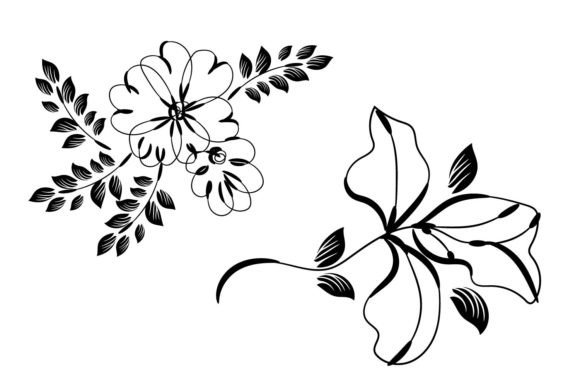
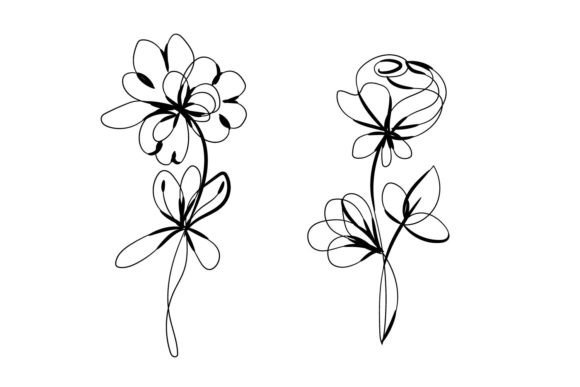
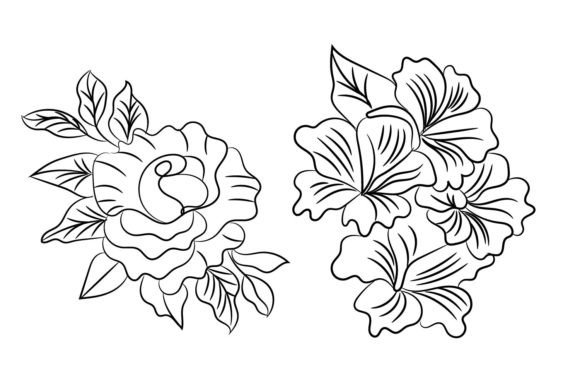
The first impression of Floral Collection Bouquet Design is one of organic elegance. It immediately evokes the feeling of a fresh arrangement picked from a garden rather than a stiff, geometric vector shape. The layout feels balanced, suggesting that the artist understood negative space as much as the floral elements themselves. For an embroidery designer, this balance is crucial because it dictates how the eye travels across the finished product. Whether you are planning a custom embroidered tote bag for a local market or creating personalized baby items for a nursery, this design offers a versatile mood that fits both rustic farmhouse aesthetics and modern minimalist styles.
In my experience, the true test of any machine embroidery design lies in its application during a real project. Let me walk you through a scenario where I tested Floral Collection Bouquet Design. I decided to use it for a batch of custom aprons intended for a holiday gift shop. The goal was to create something that felt warm and inviting but still looked professional enough to command a higher price point. I selected a natural linen fabric for the apron fronts, which is known for being slightly textured and prone to shifting if not stabilized correctly.
When I loaded the design file into my software, the first thing I noticed was the clarity of the lines. The satin stitch areas appeared smooth, which is essential for defining the petals and leaves without them looking muddy. However, the transition between the fill stitch and the background required careful attention. On the lighter linen, the design popped beautifully, creating a sense of depth that made the bouquet look almost three-dimensional. But when I ran a quick test on a darker cotton blend, the contrast dropped significantly. This highlights a critical decision point: Floral Collection Bouquet Design shines best on light to medium-colored fabrics where the thread colors can truly sing. If you are targeting customers who prefer dark apparel, you might need to adjust your thread palette or consider adding a contrasting backing layer to ensure visibility.
For small business owners and Etsy sellers, the versatility of this design is a major asset. It works exceptionally well as a central motif on sweatshirt embroidery, where the soft fleece provides a perfect bed for the stitches. I also envision this design thriving on pillow covers and kitchen towels, items that serve as high-visibility marketing tools for craft businesses. The intricate details within the bouquet add value to the finished product, making it feel like a premium item rather than a mass-produced commodity. Customers often associate detailed floral patterns with quality craftsmanship, which can directly influence their trust in your brand and their willingness to pay for your services.
However, no design is without its challenges, and knowing where to exercise caution is what separates a hobbyist from a professional. There are specific scenarios where Floral Collection Bouquet Design requires extra care. If you plan to embroider this on stretchy fabrics like jersey knits or thin materials like silk, the stability of the design could be compromised. The density of the floral elements means that without proper stabilizer, the fabric might pucker or the stitches might pull, ruining the aesthetic. Similarly, attempting to fit this design onto a curved surface, such as a baseball cap, demands precise digitizing adjustments. While the file includes formats like AI, EPS, SVG, PDF, and PNG, ensuring the curve compensation is correct before stitching is vital to avoid distortion.
Another area to watch closely is the small detail level. While the overall shape is robust, some of the finer accents in the bouquet might get lost if you try to downsize the design too much. I strongly advise against shrinking this design for very small hoop sizes or tiny patches. In those cases, the individual flowers might merge into a single blob, losing the character that makes the design special. If you need a smaller version for a baby onesie or a hat brim, you may need to edit the file to simplify the details or select a different, more compact design from the collection.
From a technical standpoint, the inclusion of multiple file formats is a significant plus for designers working in various environments. Having the ability to export to SVG and EPS allows for easy integration into larger projects or mockups, while the PNG and PDF files are perfect for quick previews and client presentations. As a digital product seller, these assets allow you to create realistic printable mockups that show potential buyers exactly how the design will look on a finished product. This transparency builds confidence and reduces return rates, as customers know what they are getting.
Before committing to a large production run, I cannot stress enough the importance of testing. Run a sample on scrap fabric that matches the weight and texture of your final material. Check the thread color contrast under different lighting conditions, as artificial light can sometimes wash out subtle details. Inspect the stitch density to ensure there is no excessive buildup that could cause needle breakage or fabric damage. Also, verify the licensing terms explicitly. Just because you own the file does not automatically grant you commercial rights to sell the finished items. Confirming these details protects your craft business from legal issues and ensures you are operating ethically.
Ultimately, Floral Collection Bouquet Design is a strong candidate for anyone looking to elevate their embroidery projects. Its natural beauty and adaptable layout make it suitable for a wide range of applications, from holiday gifts and wedding favors to boutique branding and commercial embroidery projects. By understanding its behavior on different fabrics and taking the necessary precautions regarding size and stabilization, you can turn this digital file into a stunning physical reality. Whether you are a seasoned pro or a creative entrepreneur just starting out, this design offers a solid foundation for building a portfolio of high-quality, handmade products that resonate with customers.
Remember, the success of any embroidery project comes down to the marriage of a good design and skilled execution. With Floral Collection Bouquet Design, you have a beautiful partner in that process. Take the time to prepare your workspace, choose the right threads, and let your creativity flow. The result will be a finished product that not only looks great but stands the test of time and frequent washing, proving to your customers that you care about every stitch.