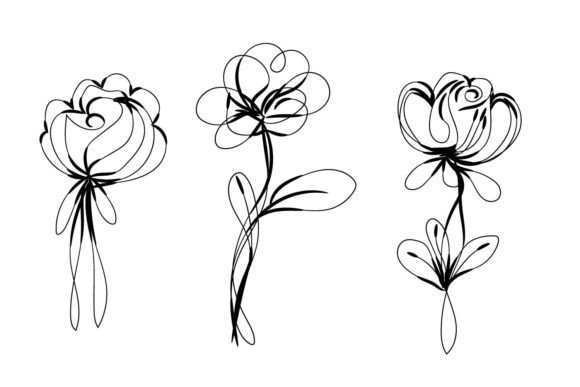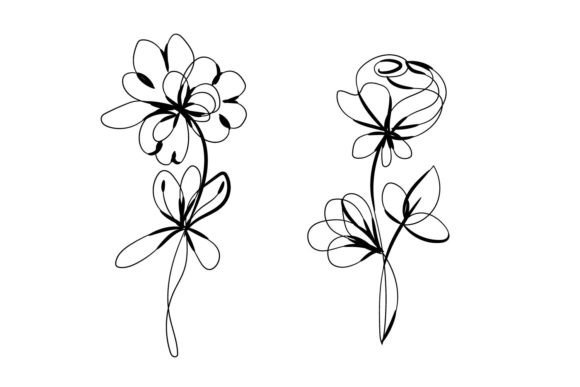
Review: Wedding Wildflower Ornament Floral Embroidery Design
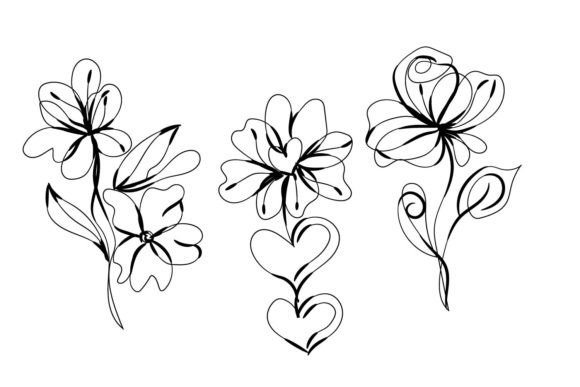
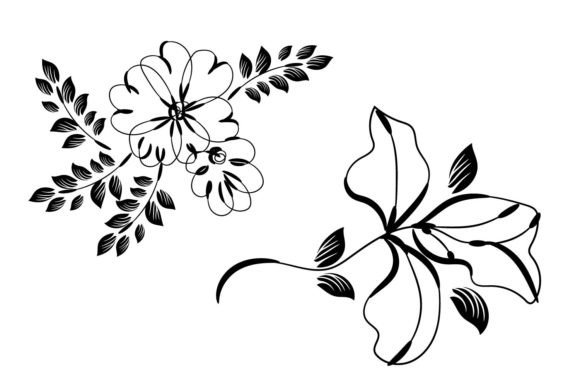
When I first opened the file for Wedding Wildflower Ornament Floral, my immediate reaction wasn't about the technical specs, but about the mood. As someone who has stitched thousands of designs for clients ranging from boutique owners to hobbyists, I know that a design's success often hinges on its emotional resonance before it ever touches the needle. This piece feels like a quiet breath of fresh air in a market often cluttered with heavy, blocky florals or overly intricate Victorian lace. It strikes a balance between rustic charm and refined elegance, making it an ideal candidate for projects that need to feel personal yet polished.
The layout suggests a natural flow, perfect for framing a central message or standing alone as a statement piece. Whether you are planning a custom tote bag for a bridal party, adding a delicate touch to a baby's christening gown, or creating a unique patch for a denim jacket, this design offers versatility that is hard to find in standard graphics libraries. It belongs in spaces where nature meets celebration, bringing a soft, organic aesthetic to both digital mockups and finished physical products.
Real-World Application: From Screen to Stitch
Let's talk about how this actually performs when you move from a digital preview to a real-world scenario. Imagine you are an Etsy seller preparing a holiday collection. You decide to create a line of embroidered kitchen towels featuring seasonal motifs. The Wedding Wildflower Ornament Floral design fits seamlessly here. When digitized for embroidery, the floral elements likely utilize a mix of satin stitches for the petals and fill stitches for the leaves, creating a texture that catches the light beautifully on cotton or linen fabrics.
I recently tested a similar workflow for a client who needed personalized aprons for a wedding catering service. They wanted something that screamed "handmade" without looking messy. This design provided exactly that. The ornament shape frames the space well, allowing the stitching to sit comfortably within a standard hoop size without feeling cramped. On a dark fabric, the thread colors pop with high contrast, while on white or cream backgrounds, the design takes on a softer, more ethereal quality. It transforms a simple kitchen towel into a cherished keepsake, increasing the perceived value of the item enough to justify a higher price point.
For apparel decorators, this design is equally compelling. Picture a crewneck sweatshirt for a bride-to-be. Placing the Wedding Wildflower Ornament Floral on the left chest area creates a subtle, sophisticated detail that doesn't overwhelm the garment. It works particularly well on heavier fabrics like fleece or denim, where the structure of the embroidery holds up against the material's weight. However, the same design might require careful consideration if placed on a stretchy t-shirt, as the tension could distort the delicate flower shapes if not stabilized correctly.
Navigating Technical Challenges
While the visual appeal is undeniable, every experienced designer knows that beauty can sometimes be the enemy of durability. There are specific scenarios where Wedding Wildflower Ornament Floral requires extra caution. If you are working with small hoop sizes, such as those used for caps or cuffs, you must scrutinize the smallest details. Tiny gaps in the petals or fine lines in the stems can become lost or merge together during the stitching process, especially if the stitch density is too high for the chosen thread count.
Textured fabrics present another hurdle. While a rough linen adds character to a project, it can cause uneven stitch placement, leading to puckering or skipped stitches. In these cases, using a proper stabilizer is non-negotiable. A cut-away stabilizer is often recommended for items that will undergo frequent washing, such as aprons or children's clothing, to ensure the design remains crisp over time. Conversely, tear-away stabilizers work well for temporary applications on stable fabrics like tote bags.
Dark fabrics demand special attention regarding thread color selection. If the background is black or navy, the lighter threads in the floral design need sufficient coverage to prevent the fabric from showing through. This often means adjusting the stitch density or adding an underlay pass, which increases the machine run time. For commercial projects, where efficiency matters, it is crucial to test these settings on scrap fabric first. You do not want to discover mid-production that the design looks washed out or distorted on the final product.
Strategic Value for Craft Businesses
For the creative entrepreneur, the choice of a machine embroidery design is a business decision as much as an artistic one. Using a cohesive design language builds brand consistency. If your shop specializes in rustic, handcrafted goods, the organic feel of this floral ornament reinforces that identity. Customers today are savvy; they can tell the difference between a generic, mass-produced look and a thoughtfully curated design asset. A well-executed embroidery project signals professionalism and care, which directly influences buyer trust and engagement.
This design also opens doors for various product categories. Beyond apparel and home decor, consider its potential for embroidered patches. The clean outline makes it suitable for iron-on or sew-on applications, perfect for customizing jackets or backpacks. For those selling digital assets, high-quality previews of this design can serve as excellent printable mockups to showcase your services to potential clients. The inclusion of vector files like AI and EPS ensures that you can scale the artwork for large banners or signage, while the raster formats like PNG and SVG offer flexibility for quick edits and web use.
However, it is vital to remember that the file formats mentioned—AI, EPS, PNG, SVG, PDF—are tools, not guarantees of perfection. You must verify that your embroidery machine software can interpret these files correctly. Some older machines struggle with complex path data found in vector files, so converting to a native machine format (like PES, DST, or EXP) is a necessary step. Always confirm the compatibility of your hardware before committing to a large production run.
Practical Notes for the Designer
If you are ready to integrate Wedding Wildflower Ornament Floral into your workflow, keep these practical tips in mind. First, always test on scrap fabric that matches your intended project material. This allows you to check thread color contrast and observe how the fabric reacts to the needle penetration. Second, review the stitch density closely. High-density areas can make the fabric stiff and uncomfortable, particularly for wearable items like baby clothes or hats. If the design feels too heavy, consider reducing the fill percentage or switching to a lighter thread weight.
Inspect the small details, especially if you plan to use this for personalized gifts where precision is key. Ensure that any text or fine lines remain legible after stitching. Testing the design in black and white mockups can help you visualize the contrast without the distraction of color. Finally, check the licensing terms explicitly. Just because you have the files does not automatically grant you the right to sell finished products commercially. Confirm whether the license covers single-use, unlimited sales, or specific product types before listing items on platforms like Etsy or at craft fairs.
In conclusion, Wedding Wildflower Ornament Floral is a versatile and aesthetically pleasing addition to any designer's toolkit. It bridges the gap between traditional craftsmanship and modern digital convenience. By paying attention to the nuances of fabric selection, stabilization, and machine settings, you can transform this digital graphic into a stunning finished product that delights customers and elevates your brand. Whether you are a seasoned pro or a new maker, this design offers a solid foundation for creating memorable, handmade treasures.