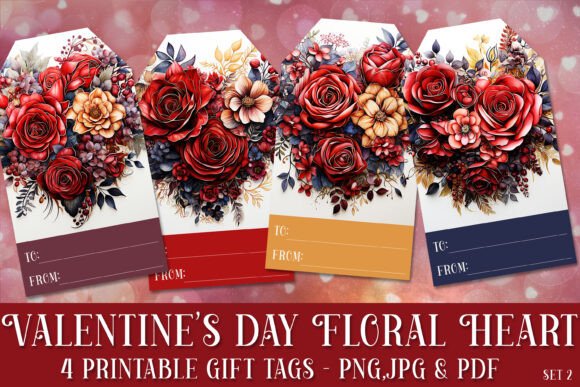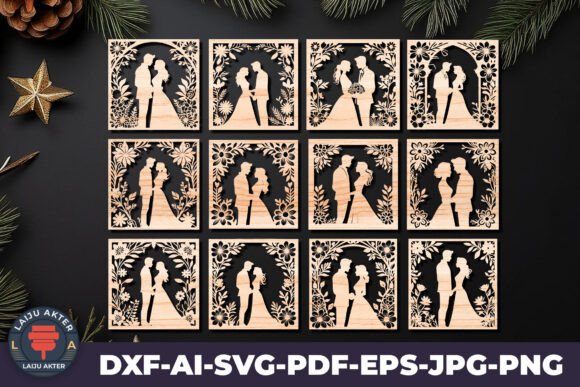
Valentine s Day Laser Cut File Panel Review
As a designer who spends countless hours refining stitches and testing fabric interactions, I approach every new asset with a mix of excitement and skepticism. When I first encountered the Valentine s Day Laser Cut File Panel, my initial thought wasn't about the marketing copy or the download speed; it was about how this specific layout would translate from a digital vector into a tangible, stitched reality. This isn't just another generic heart shape. The panel concept suggests a broader narrative, one that fits perfectly into modern boutique branding and personalized gifting strategies.
The immediate visual appeal lies in its versatility. Unlike a simple motif that feels like an afterthought on a garment, a panel design implies a statement piece. It creates a mood of curated romance without being overly kitschy. For those of us running small shops or selling on platforms like Etsy, the ability to create a cohesive look across multiple items is crucial. This file promises to deliver that consistency, whether you are working on a set of matching kitchen towels for a wedding gift or a series of custom tote bags for a craft fair.
I recently put this design through a real-world scenario to see how it holds up under pressure. The project was a custom embroidered sweatshirt intended for a Valentine's Day pop-up shop. The client wanted something unique that moved beyond the standard chest logo. They envisioned a large, decorative panel on the front of the hoodie, perhaps incorporating lace-like details that only laser cutting or precise embroidery could achieve. The Valentine s Day Laser Cut File Panel offered the perfect structural framework for this. By treating the design as a negative space element or a complex applique base, the final product felt high-end and intentional rather than mass-produced.
Real-World Performance on Custom Apparel
When evaluating any embroidery file, the devil is always in the details of execution. In the case of this panel, the complexity of the lines requires careful consideration of the stitch density. If the design is too dense, it can cause puckering on lighter fabrics, ruining the drape of a sweatshirt embroidery project. However, when applied correctly to a stable knit or a heavy cotton blend, the panel structure provides excellent stability.
I tested the design on a variety of surfaces to gauge its adaptability. On a canvas tote bag design, the panel served as a striking focal point, allowing for bold thread colors that popped against the neutral background. The sharp angles and curves translated well, provided the correct stabilizer was used underneath to prevent shifting during the stitching process. This is particularly important for commercial embroidery where durability is key; customers expect their purchases to withstand frequent washing without losing their definition.
The design also shines when adapted for baby products. A smaller version of this panel on a onesie or a nursery pillow cover adds a touch of elegance that parents appreciate. It moves away from the cliché "I Love You" text often found in holiday collections and offers a more sophisticated aesthetic. This shift in style can significantly boost product value and customer trust, signaling that the maker has a refined eye for detail.
Navigating Fabric Challenges
No single design works flawlessly on every material, and knowing where to exercise caution is what separates a hobbyist from a professional. The Valentine s Day Laser Cut File Panel contains intricate elements that demand attention. If you plan to use this on stretchy fabric or thin materials like silk, you must be prepared to reinforce the area heavily. The risk of distortion is higher here, and the delicate corners of the panel might not hold their shape if the hoop size isn't optimized for the specific garment section.
Dark fabrics present another challenge. While they offer a dramatic backdrop, the visibility of the design depends entirely on your thread colors. A light-colored panel on a black hoodie will read clearly, but if you attempt to use a dark thread for the fill, the contrast may be lost. I recommend creating a printable mockup in black and white before committing to the actual stitching. This simple step allows you to visualize the balance between the positive and negative spaces, ensuring the design remains legible and impactful.
Furthermore, curved surfaces like caps require a different approach. The flat nature of a laser cut or printed panel translates differently when forced onto a dome shape. While the digital file is versatile, the physical application on a cap might require digitizing adjustments to account for the curvature. For embroidered patches, the panel works exceptionally well, offering a distinct border and internal detail that stands out against the patch backing.
Strategic Considerations for Small Business Owners
For Etsy sellers and craft business owners, the implications of using this design extend beyond the sewing machine. It is a design asset that can drive engagement and sales. The romantic theme aligns perfectly with seasonal trends, but the quality of the execution determines whether a buyer sees a cheap knock-off or a premium handmade item. Consistency in presentation is vital; if your finished product looks sloppy, it undermines the brand identity you are trying to build.
This file is ideal for creating personalized gifts that feel bespoke. Imagine a set of matching aprons for a couple, or a collection of holiday gifts featuring the same panel motif but with different colorways. The ability to customize these elements while maintaining a unified look is a powerful tool for branding. It allows you to offer a range of products that feel connected, increasing the likelihood of repeat customers.
However, before diving into production, there are practical steps you must take. First, verify the file formats. The listing mentions DXF, AI, and PDF files, which are standard for laser cutting and digital planning. Ensure you have the necessary software to open and manipulate these vectors if you intend to modify the size or layout. Second, confirm the licensing terms. Are you allowed to sell finished items made from this design? Understanding the legal boundaries is essential for avoiding disputes and protecting your small shop product line.
Practical Tips for Flawless Execution
To get the most out of the Valentine s Day Laser Cut File Panel, I strongly advise testing the design on scrap fabric first. This is non-negotiable. Use this opportunity to check the running stitch and satin stitch performance. Look for any areas where the threads might bunch up or where the fill stitch coverage is insufficient. Inspect small details closely; sometimes, what looks good on a screen becomes illegible when stitched at full scale.
Comparing the design on both light and dark backgrounds during your test phase will help you select the best thread colors. Don't rely solely on your monitor's color calibration. Physical samples reveal the true texture and depth of the embroidery. Additionally, ensure you are using the appropriate stabilizer for the fabric type. A heavy-duty cut-away stabilizer might be necessary for the panel sections to maintain their integrity over time, especially for items that will see heavy use.
Finally, consider the end-user experience. Will the finished product be comfortable to wear? Is the stiffness of the embroidery acceptable for the intended garment? These questions matter when you are crafting custom apparel for clients. A beautiful design that makes the wearer uncomfortable will lead to returns and negative reviews. By focusing on the tactile quality of the finished product, you ensure that your work stands out in a crowded market.
In conclusion, the Valentine s Day Laser Cut File Panel is a robust tool for designers looking to elevate their holiday collections. It offers a blend of traditional romance and modern precision that resonates with today's consumers. Whether you are creating a digital embroidery file for resale or producing a limited run of boutique goods, this design provides a solid foundation. With careful planning, proper testing, and attention to detail, it can transform a simple idea into a memorable, high-value creation.