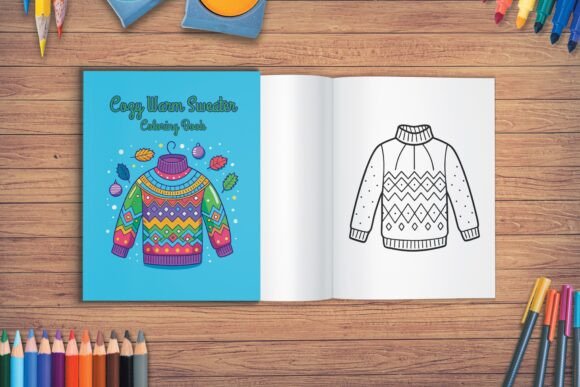
Cozy Sweater Coloring 24 Warm Designs Review
As someone who has spent years stitching, designing, and reviewing embroidery files for real-world applications, I know that the difference between a cute image on a screen and a high-quality finished product often comes down to one thing: practicality. When I first looked at Cozy Sweater Coloring 24 Warm Designs, my initial reaction wasn't just about how "warm" it felt visually, but how it would translate into thread. This collection falls under the Coloring Pages Amp category within the broader Graphics sector, but for an embroiderer, those labels matter less than the actual stitch potential.
The concept is undeniably appealing. We are all chasing that feeling of comfort, especially when we want to create items that evoke nostalgia or seasonal joy. However, before you rush to load this into your machine, let's walk through exactly what happens when these designs meet fabric, thread, and a customer's expectations.
First Impressions: The Mood vs. The Machine
The Cozy Sweater Coloring 24 Warm Designs bundle promises a delightful assortment of sweater-themed illustrations. Visually, the mood is inviting. It screams autumn afternoons, winter evenings by the fire, and handmade gifts. But as a designer, I have to look past the color palette and ask: do the shapes hold up?
In many digital coloring books, lines are thin and details are loose. In embroidery, those same lines become stitches. If a design relies too heavily on tiny running stitches to define a pattern, it can easily get lost in the fabric texture. My assessment of this collection suggests a strong focus on bold, recognizable shapes that mimic the chunky knit aesthetic of a cozy sweater. This is excellent news for durability. A design that looks like a knitted texture will naturally hide minor imperfections better than a design requiring razor-sharp precision.
The visual personality here is friendly and approachable. It doesn't try to be high-fashion or avant-garde; it aims for the heart of the home. This makes it perfect for creating items that people want to keep, wear, and display repeatedly.
A Real-World Scenario: The Holiday Boutique Launch
Let's imagine a specific use case. You are preparing for the holiday season and running a small Etsy shop. You decide to launch a line of custom embroidered tote bags and kitchen towels featuring these warm sweater motifs. Your goal is to sell them as "handmade" gifts that feel personal and cozy.
If you choose Cozy Sweater Coloring 24 Warm Designs for this project, the transition from digital file to physical product needs careful planning. Imagine placing the design on a heavy cotton canvas tote bag. The thick fill stitches of the sweater pattern will sit beautifully on the textured surface, adding a tactile dimension that printing simply cannot match. Customers touching the bag will feel the raised texture of the embroidery, which instantly elevates the perceived value of the item.
However, consider the sweatshirt application. If you plan to put this on a fleece pullover, the bulk of the embroidery might make the garment stiff around the chest area. While the design fits the theme perfectly, you must ensure the stabilizer used is appropriate so the fabric doesn't pucker. For a boutique product, the goal is a professional finish where the embroidery enhances the garment rather than distorting it. With the right setup, these designs can turn a $15 plain sweatshirt into a $45 premium gift item.
Where to Be Cautious: Fabric and Size Limitations
No single design is a magic bullet for every situation. There are specific scenarios where Cozy Sweater Coloring 24 Warm Designs requires extra attention or might not be the best choice.
- Small Hoop Sizes: If you are working on a cap or a baby hat with a very limited hoop space, check the dimensions of the individual designs in the bundle. Some intricate sweater patterns might include fine details that become muddy when compressed into a tiny area. Always test the scale first.
- Stretchy Fabrics: While great for stable cottons and linens, stretchy jersey fabrics can distort dense fill stitches. If you are making baby onesies or stretchy t-shirts, you will need to use a high-quality cut-away stabilizer to prevent the design from warping during wear.
- Dense Stitch Areas: If a specific design in the collection features a large block of solid fill stitch (simulating a thick wool cable), be aware that this adds significant weight and stiffness. On thin fabrics, this can cause sagging over time.
- Curved Surfaces: Embroidering on a curved cap brim can be tricky with complex patterns. The design needs to be digitized specifically for the curve, or you risk having parts of the sweater pattern look stretched or squashed.
Impact on Brand and Customer Trust
For the Etsy seller or small business owner, the quality of your embroidery directly correlates to customer trust. A poorly executed design can make a brand look amateurish, even if the idea was brilliant. Cozy Sweater Coloring 24 Warm Designs offers a strong foundation for building a cohesive brand identity because the theme is consistent across the 24 variations.
When customers see a finished product with clear, well-defined stitches, they assume the maker takes pride in their work. This perception allows you to charge more for your handmade product. Furthermore, the "coloring book" aspect of the original graphics implies creativity and fun, which resonates well with buyers looking for unique, personalized gifts. Whether it is a wedding gift for a newlywed couple or a holiday present for a grandmother, the warmth of the design translates emotionally to the recipient.
However, to maintain this professionalism, you must pay attention to thread colors. The digital preview might show bright, saturated colors, but your thread palette needs to match the texture of the fabric. Using matte threads on a shiny polyester blend might look out of place, whereas using a slightly variegated yarn-like thread could enhance the "knit" illusion.
Practical Notes for the Designer
Before you commit to a full production run or start selling these as commercial embroidery assets, there are several technical steps you should take. Do not skip these, regardless of how confident you are in the design.
- Test on Scrap Fabric: Always stitch a sample on the exact fabric you intend to use for the final product. Check for puckering, thread breaks, and tension issues.
- Check Stitch Density: Review the density settings. If the design is too dense, it may be difficult to penetrate the fabric, leading to skipped stitches. If it is too sparse, the underlying fabric might show through, ruining the look.
- Hoop Size Verification: Confirm that the design fits comfortably within your intended hoop size, leaving enough margin for hooping without cutting off any part of the artwork.
- Black and White Mockups: Convert the design to grayscale in your editing software. Sometimes a design looks colorful and balanced, but in black and white, the contrast levels might be too low to distinguish details after stitching.
- Licensing and Commercial Use: This is critical. Before you sell finished items made with these designs, verify the license terms provided with the Cozy Sweater Coloring 24 Warm Designs bundle. Ensure you have the right to sell the physical goods. Also, confirm if you are allowed to resell the digital files themselves.
- Stabilizer Selection: Match the stabilizer to the fabric weight. Heavy sweaters need heavy stabilizers; delicate baby clothes need light, tear-away options.
In conclusion, Cozy Sweater Coloring 24 Warm Designs is a versatile tool for anyone looking to add a touch of seasonal charm to their projects. It bridges the gap between digital art and tactile craft effectively, provided you respect the technical limitations of machine embroidery. By testing thoroughly and choosing the right materials, you can transform these digital graphics into cherished, high-value physical products that stand out in a crowded market.