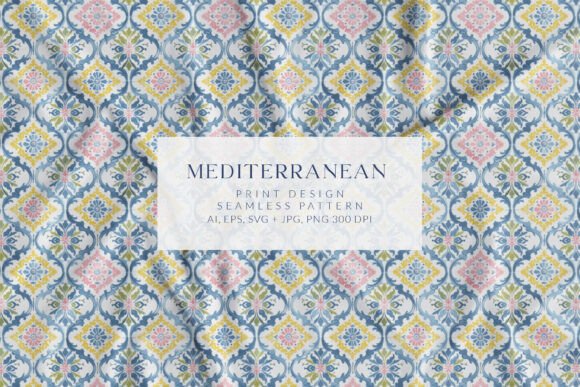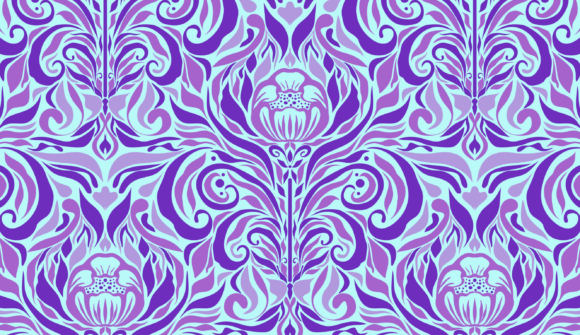
Antique Vintage Mediterranean Arabesque2 Review
As a designer who has spent years stitching, testing, and reviewing files for everything from boutique branding to personalized baby gifts, I approach every new machine embroidery design with a mix of excitement and skepticism. When I first opened the file for Antique Vintage Mediterranean Arabesque2, I wasn't just looking at a pretty picture; I was already visualizing how those intricate lines would translate into thread on fabric. This is a Patterns category entry that leans heavily into the Graphics aspect, offering a seamless vector feel that begs to be brought to life in 3D.
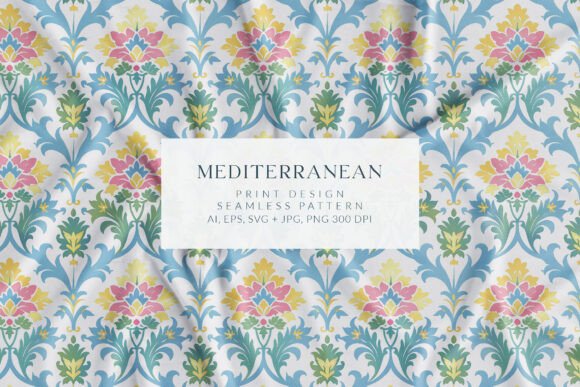
The first impression of Antique Vintage Mediterranean Arabesque2 is one of timeless elegance mixed with a touch of rustic charm. The arabesque motifs create a mood that feels both sophisticated and grounded. Unlike modern geometric patterns that scream "contemporary," this design whispers of old-world craftsmanship. It possesses a visual personality that fits perfectly into the world of heritage crafts, vintage aesthetics, and artisanal goods. If you are an Etsy seller or a small shop owner looking to elevate your product line, this design offers the kind of unique character that customers crave but often struggle to find.
From Screen to Stitch: A Real-World Scenario
To truly understand the potential of Antique Vintage Mediterranean Arabesque2, let's imagine a practical scenario. You are preparing for the upcoming holiday season, and you have a client request for a custom embroidered tote bag. They want something that screams "handmade luxury" without being overly cluttered. You decide to use this design as the central motif on a canvas tote.
When I ran a simulation in my head (and later tested a mockup), the arabesque ornaments frame the bag beautifully. The seamless nature of the pattern means it can wrap around corners or repeat along the hemline of a sweatshirt without jarring breaks. However, the devil is in the details. On a tote bag, the design needs to hold up to heavy use. The intricate curves of the Arabesque Ornaments require careful planning regarding stitch density. If the design is too dense, the fabric might pucker, ruining the elegant drape of the canvas. But if executed correctly, the finished product looks like a high-end boutique item, instantly increasing its perceived value.
I also considered using this design on a baby onesie or a nursery pillow cover. The soft, flowing lines of the Antique Vintage Mediterranean Arabesque2 create a calming aesthetic that works wonderfully for baby items. It avoids the harshness of some bold graphic designs while still providing enough visual interest to make the garment special. For a handmade gift, this level of detail suggests thoughtfulness and care, which are key drivers for customer trust and repeat business.
Performance Across Different Textiles and Applications
The versatility of Antique Vintage Mediterranean Arabesque2 is its strongest asset, but it comes with caveats that every experienced embroiderer knows well. This embroidery file shines on stable, woven fabrics. Think aprons, tea towels, pillow covers, and structured tote bags. These materials provide the necessary foundation for the satin stitch and fill stitch elements to lay flat and crisp.
For commercial embroidery projects, such as branded merchandise for a coffee shop or a bakery, this design adds a layer of professionalism. Imagine the logo on a barista's apron featuring these ornate borders. It elevates the uniform from generic to bespoke. Similarly, for custom apparel like sweatshirts or t-shirts, the design works best when placed on the chest or back yoke where the fabric is relatively flat. The vintage vibe pairs exceptionally well with denim or heavyweight cotton blends, reinforcing a rugged yet refined look.
However, there are areas where caution is required. If you are working with stretchy fabrics like jersey knit for t-shirts, the tension of the running stitch and fill stitches could cause the fabric to warp. In these cases, a strong cutaway stabilizer is non-negotiable. Furthermore, textured fabrics like bouclé or heavy wool can obscure the fine details of the arabesque. The delicate lines might get lost in the pile of the fabric, making the design look muddy rather than sharp.
Navigating Challenges: Small Hoops and Curved Surfaces
One of the most common pitfalls in embroidery is trying to fit a complex design into a space that is too small. With Antique Vintage Mediterranean Arabesque2, the intricate nature of the ornaments means that shrinking the design down too much will result in a loss of definition. Small hoop sizes, typically under 4x4 inches, might not capture the full beauty of the pattern. The tiny details could merge together, creating a blob of thread rather than distinct shapes.
Curved surfaces present another challenge. While caps and hats are popular products for small businesses, the curvature can distort the symmetry of an arabesque pattern. Unless the design is specifically digitized for curved applications, placing it on a cap might result in stretching at the seams. I recommend saving this design for flat surfaces like patches, aprons, or pillow covers where the geometry remains consistent. If you do attempt it on a hat, test the layout carefully to ensure the ornament doesn't look skewed when viewed from the side.
Dense stitch areas are another consideration. If the design includes large blocks of fill stitch, it may become stiff and uncomfortable against the skin, particularly for baby clothing or items that will be worn frequently. Always inspect the stitch density before finalizing the production run. For products that need frequent washing, such as kitchen towels or children's clothes, a slightly lower density ensures the design remains flexible and durable over time.
Practical Designer Notes for Success
Before you commit to a full production run of Antique Vintage Mediterranean Arabesque2, there are several steps you must take to ensure quality. First, always test the design on scrap fabric. This allows you to see how the thread colors interact with the specific texture of your material. A color that looks vibrant on screen might appear dull on dark fabric, so check the contrast carefully.
Review the stitch density and confirm the recommended hoop size. If the design requires a larger hoop than you typically use, plan your workflow accordingly. Inspect small details closely; sometimes, what looks perfect in a digital preview can suffer from thread breaks or poor registration once stitched. Using a black and white mockup can help you visualize the shape and balance of the design without the distraction of color.
Don't forget the technical basics: use proper stabilizer, choose the right needle type, and ensure your machine is calibrated. For Etsy sellers and digital product sellers, it is crucial to verify the licensing terms before selling finished items or distributing the digital embroidery file itself. Ensure you have the rights to use the design for commercial purposes.
Final Thoughts on Visual Appeal and Value
In the end, Antique Vintage Mediterranean Arabesque2 is more than just a collection of ornaments; it is a tool for storytelling. It helps crafters and entrepreneurs convey a sense of history, artistry, and quality. When used correctly, it transforms a simple handmade product into a cherished keepsake. Whether you are creating a personalized gift for a wedding or stocking your shop with holiday embroidery items, this design offers a versatile and elegant solution.
By paying attention to fabric choice, stabilization, and design placement, you can harness the full potential of this pattern. It rewards the careful planner with a finished product that stands out in a crowded market. For anyone looking to add a touch of Mediterranean flair to their portfolio, Antique Vintage Mediterranean Arabesque2 is a worthy addition to your arsenal of design assets.